.png)
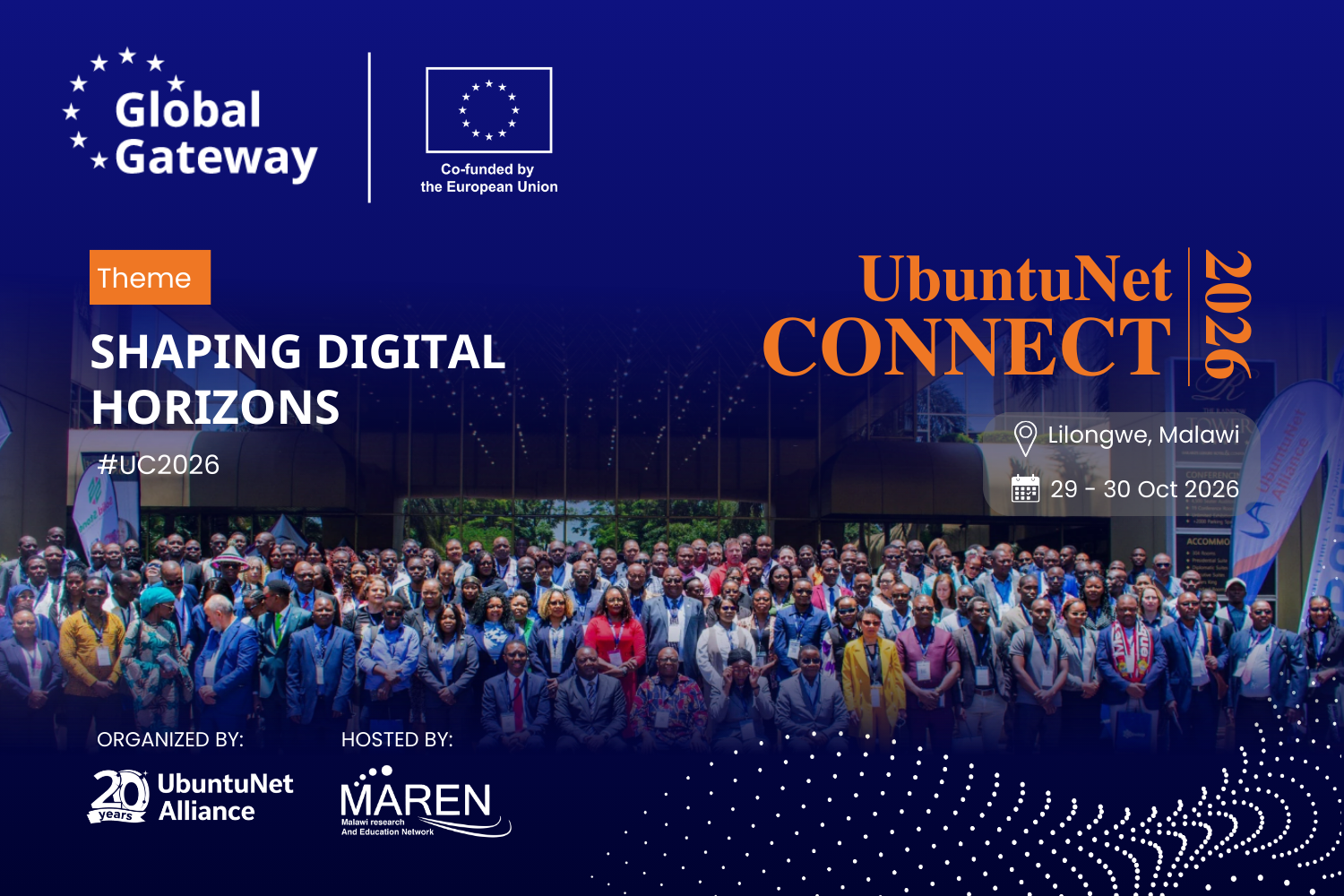
Conference Theme: Shaping Digital Horizons
Shaping Digital Horizons reflects UbuntuNet Alliance’s vision of advancing resilient, inclusive, and sustainable digital infrastructure that underpins research, education, and innovation across Eastern and Southern Africa. The theme recognises that connectivity is a foundation upon which future-ready research ecosystems, intelligent services, and cross-border collaboration are built. UbuntuNet-Connect 2026 will explore how National Research and Education Networks (NRENs), partners, and policymakers can collectively shape digital futures that are secure, open, innovative, and responsive to regional priorities.
Sub-Themes:
1. Research & Education Network Infrastructure: This sub-theme focuses on the design, deployment, and evolution of high-performance research and education network infrastructure that enables advanced research collaboration, learning, and regional connectivity. It explores how NRENs can build resilient, scalable, and future-ready networks that support growing data demands and emerging digital services.
Papers are invited on:
- Design and deployment of backbone, campus, and last-mile network infrastructure
- Network resilience, and continuity strategies for RENs
- Network automation, SDN/NFV, and advanced network management approaches
- Regional and global interconnection, peering, and Internet exchange ecosystems
- Network-enabled services supporting research and education
2. Cybersecurity: This sub-theme addresses the growing need to protect research and education infrastructure from cyber threats while ensuring trusted digital environments for collaboration, data exchange, and learning.
Papers are invited on:
- Cybersecurity architectures and protection strategies for research and education networks
- Threat detection, monitoring, and incident response frameworks
- Security operations centres (SOCs) and collaborative threat intelligence for NRENs
- Identity, access management, and trust frameworks for digital research and education services
- Governance, policies, and capacity building for cybersecurity in NREN member institutions.
3. Artificial Intelligence: This sub-theme explores how artificial intelligence is transforming research, education, and the management of digital infrastructure. It focuses on both the infrastructure required to support AI and the application of AI in research, education, and network operations.
Papers are invited on:
- AI infrastructure
- AI applications supporting research, scientific discovery, and innovation
- AI-driven digital learning tools and intelligent educational platforms
- AI-enabled network management, optimisation, and automation
- Infrastructure requirements for AI workloads, including data platforms and high-performance computing
- National and regional strategies for AI development in research and education
4. Open Science: This sub-theme focuses on enabling open, collaborative, and reproducible research through digital infrastructure, shared platforms, and open knowledge systems that expand access to research outputs across the region.
Papers are invited on:
- Open Science platforms, repositories, and data management systems supporting research and education.
- Implementation of FAIR data principles and open research practices
- Persistent identifiers, scholarly communication, and digital publishing infrastructures
- Integration of libraries, data services, and research infrastructures
- National and regional initiatives supporting Open Science ecosystems
5. Innovation, Partnerships & Service Evolution: This sub-theme explores how NRENs are evolving beyond connectivity providers to become platforms for innovation, collaboration, and advanced digital services for research and education communities.
Papers are invited on:
- Emerging services including cloud, identity federation, and collaboration platforms
- Strategic partnerships between NRENs, universities, industry, and governments
- Innovation ecosystems, testbeds, and digital experimentation platforms
- Case studies of new service models supporting research and education institutions
- Collaborative initiatives driving regional digital transformation
6. Diversity, Equity & Gender Inclusion: This sub-theme highlights efforts to promote diversity, equity, and inclusion within the research and education ecosystem, with particular emphasis on increasing the participation and leadership of women in technology fields.
Papers are invited on:
- Strategies to increase women’s participation and leadership in NRENs and digital infrastructure
- Gender-responsive digital skills and capacity development programmes
- Policies and institutional approaches promoting equity and inclusion in technology sectors
- Initiatives supporting women and underrepresented groups in STEM and digital research
- Case studies demonstrating the impact of diversity and inclusion initiatives